The beans
We know whose farm this came off
Both hand-picked, both bought direct through Lifesong, and both roasted in small batches the week they ship. How each one drinks is written from the bean and the ground it grew on, not from a cupping sheet we have not run.
Single origin
Zambia
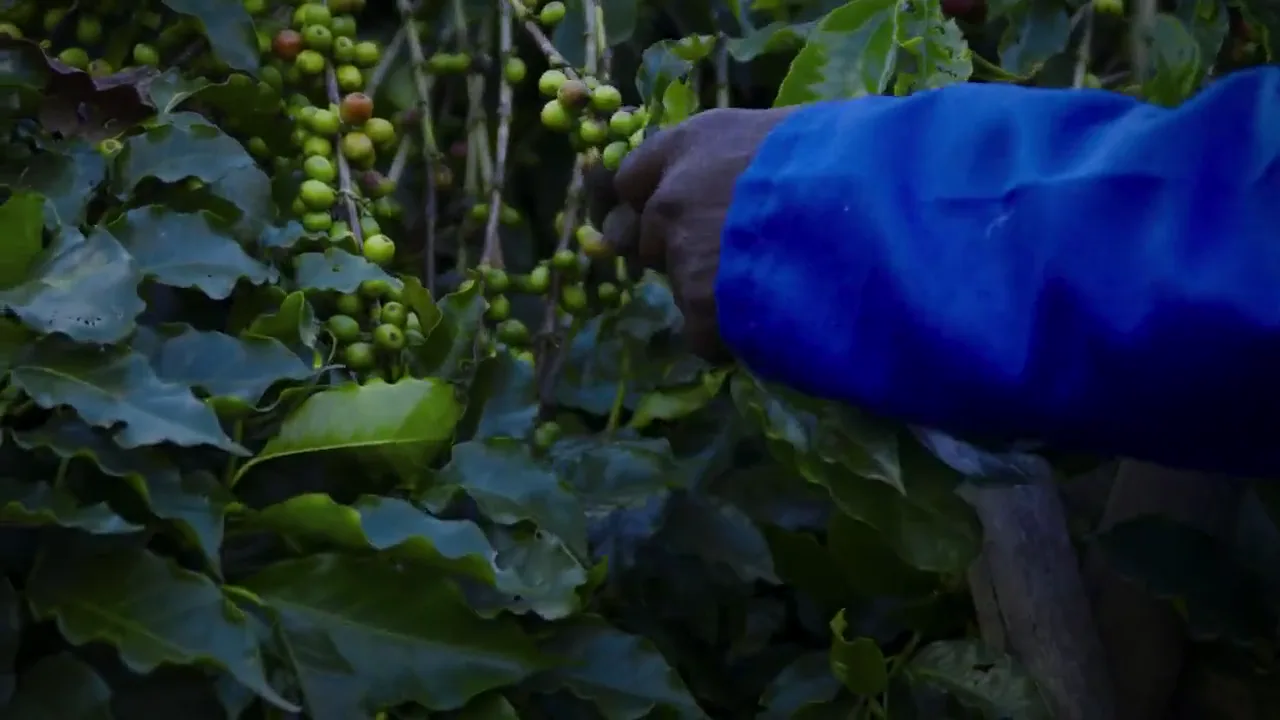
One farm, one lot. Hand-picked, washed, and dried in the shade.
It comes off a single farm called Living Hope, about twelve acres, the plants only three years old. It grows on flat, fertile ground at around 3,900 feet, and the variety, Catimor 129, was picked on the farm itself after testing what actually thrives there.
After picking they float the cherries overnight, strip the fruit off, and then dry the beans in the shade instead of in open sun. Shade drying is slower and more work, and it is the reason the sweetness survives the trip.
Keep readingShow less
Catimor 129 is a Caturra crossed with a Timor hybrid, and the Timor side carries robusta in its ancestry, bred in for resistance to leaf rust. That inheritance is also why the cup sits where it does. Less acid, more weight.
The drying is the part worth repeating. The beans come down to twelve percent moisture under shade mesh, and only then are they hulled. Drying in open sun is faster and cheaper and it flattens the taste, which is why most farms do it that way and this one does not.
Living Hope is run by Lifesong Farms outside Kitwe, out on the plains rather than up a mountain. It is a young farm, on its first real crops.
In the cup
Zambia is the smooth one.
Low acid, a fuller and rounder body, and a lot of cocoa and brown sugar. It is forgiving: even a dark roast does not get harsh, and it is the better one with milk.
- Farm
- Living Hope, with Lifesong
- Size
- About twelve acres
- Elevation
- Around 3,900 ft
- Variety
- Catimor 129
- Process
- Washed, shade-dried
- Picking
- By hand
Single origin
Uganda
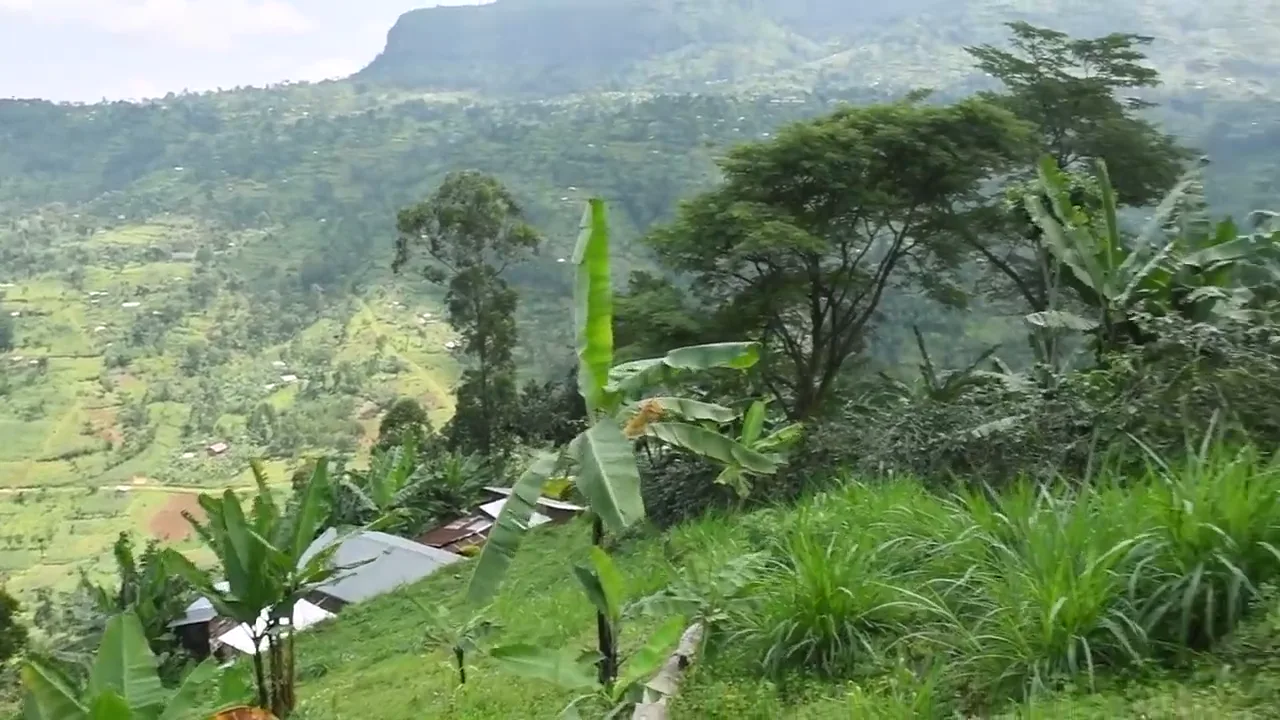
Grown at over 4,200 feet on the slopes of Mount Elgon.
Grown in Bududa, on the slopes of Mount Elgon in eastern Uganda, over 4,200 feet up, on ground the people who farm it call amazingly fertile. Arabica has been grown there for more than a century. This is not one estate but more than four hundred smallholders, a group that started at thirty.
Altitude slows the cherry down, and a slower cherry concentrates what ends up in the cup. Picked by hand, washed, shipped green, and roasted in small batches in the United States the week you order it.
Keep readingShow less
This is not an estate. It is more than four hundred smallholders farming their own plots, a group that began with thirty, and Lifesong bought land in the middle of it so the cherries have somewhere to be processed.
It started with a conversation. Lifesong’s founder went to Bududa and asked thirty farmers what they were up against and what would actually help. They said it was the first time they had felt seen. The land Lifesong then bought is what turned that into a system: harvest, processing, and export handled from the garden all the way to the roaster in the United States.
In the cup
Uganda is the bright one.
Citrus and dark berry up front, a medium to full body, and a dark-chocolate finish. It is the one to drink black, light or medium, through a pour-over or drip.
- Region
- Bududa, with Lifesong
- Elevation
- Over 4,200 ft
- Farmers
- Four hundred and more
- Process
- Washed, hand-picked
- Roasted
- To order, in California
From cherry to cup
How it gets from the branch to your kitchen
Picked ripe
By hand, cherry by cherry, along the branch. The rest are left to come on.
Depulped and washed
The fruit is stripped off the seed early. That is why the Zambia comes through so clean.
Dried in the shade
Slower than open sun, and more work. It is the reason the sugars and the aroma survive the trip.
Rested and shipped
Hulled, rested, then shipped green so nothing has started ageing before it reaches the roaster.
Roasted to order
In small batches in California, the week you order it. Never before.
Roast guide
The same bean, left in the roaster for four different lengths of time
If you are not sure, take the Medium. It is the one most people keep reordering, and every roast comes whole bean.
Light
Roasted brightest. The most origin character in the cup.
Medium
The everyday middle. Balanced, round, dependable.
Dark
Longer in the roaster. Deep, bittersweet, heavy.
Espresso
A medium-dark roast built to hold up under pressure.
The same care goes into everything we hand someone.
The journals, the care packages, the bags on the table at a retreat. The coffee is the part you can buy, and it is held to the same standard as the part you cannot.
What the coffee pays for